
Article
Custom Packaging 2026: Latest Trends, Innovations & Future Outlook
3 min read
Introduction
Custom packaging in 2026 is no longer just about protecting products—it has become a powerful tool for branding, sustainability, and customer experience. With rapid advancements in technology, environmental regulations, and shifting consumer expectations, businesses are rethinking how packaging is designed, produced, and delivered.
1. Sustainability Is No Longer Optional
One of the biggest updates in 2026 is that eco-friendly packaging has become the industry standard rather than a trend. Brands are increasingly adopting:
- Recyclable and biodegradable materials
- Compostable packaging solutions
- Plant-based and paper-based alternatives
Consumers now actively prefer sustainable options, with many choosing products specifically because of environmentally responsible packaging.
Additionally, regulations (like global packaging waste policies) are pushing companies toward circular economy models and reduced plastic use.
2. Smart & Digital Packaging Integration
Technology is transforming packaging into an interactive experience. In 2026, custom packaging often includes:
- QR codes and smart labels
- Augmented Reality (AR) experiences
- Digital product passports (DPPs)
These features allow customers to access product details, tutorials, authenticity verification, and even loyalty programs directly through packaging.
3. AI-Driven Personalization
Artificial Intelligence is enabling brands to create hyper-personalized packaging . Businesses can now:
- Customize designs for different audiences
- Produce short-run or seasonal packaging
- Use AI-generated visuals and layouts
Personalization is especially important for e-commerce brands aiming to create a memorable unboxing experience.
4. Minimalism & “Less is More” Design
In contrast to previous years, 2026 packaging trends focus on simplicity:
- Clean layouts and bold typography
- Reduced materials and layers
- Functional and efficient structures
Brands are moving away from excessive packaging and focusing on intentional, waste-free design .
5. Rise of Reusable & Refillable Packaging
Reusable packaging systems are gaining traction globally. Examples include:
- Refillable cosmetic containers
- Returnable packaging systems
- Subscription-based reusable packaging
This shift helps reduce waste and aligns with sustainability goals, especially in urban markets.
6. Custom Fit & Automated Packaging
Automation is revolutionizing logistics and packaging efficiency. In 2026:
- Machines create right-sized boxes for each product
- Less empty space means reduced shipping costs
- Lower need for fillers like bubble wrap
This “fit-to-product” packaging improves both sustainability and operational efficiency.
7. Multi-Sensory & Premium Unboxing Experience
Packaging is becoming more experiential, especially for luxury and e-commerce brands:
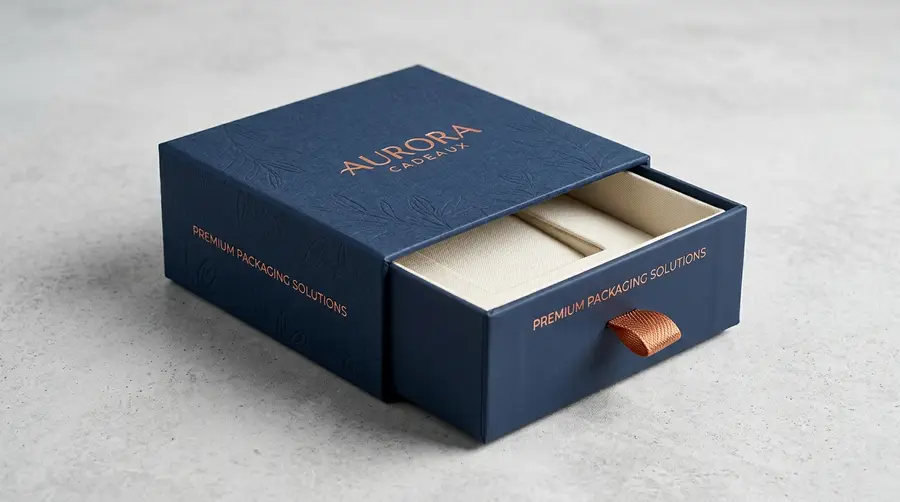
- Textured finishes and embossing
- Magnetic closures and premium materials
- Fragrance or tactile elements
The goal is to create a memorable unboxing experience that strengthens brand loyalty.
8. Cultural & Storytelling-Based Design
Brands are using packaging to tell stories and connect emotionally with consumers:
- Local art and cultural motifs
- Heritage-inspired designs
- Authentic, hand-drawn aesthetics
This approach helps brands stand out and build deeper connections with audiences, especially Gen Z.
9. E-commerce & Digital Shelf Optimization
With online shopping dominating, packaging must now perform well both physically and digitally:
- Easy-to-read designs for small screens
- Strong branding for product photos
- Durable shipping-friendly structures
Packaging is now designed to look appealing not just on shelves, but also in online listings and social media.
10. “Quiet Luxury” & Modern Aesthetics
Luxury packaging in 2026 is shifting toward understated elegance:
- Minimal branding
- High-quality materials
- Subtle textures and finishes
This “quiet luxury” trend reflects changing consumer preferences toward sophistication rather than flashy design.
Conclusion
Custom packaging in 2026 is defined by a balance of sustainability, technology, and customer experience . Brands that succeed are those that:
- Embrace eco-friendly materials
- Leverage smart and interactive features
- Focus on personalization and storytelling
- Optimize for both retail and digital environments
As competition increases, packaging will continue to evolve from a simple container into a strategic marketing and innovation tool .
Quick Summary
- Sustainability is the top priority
- Smart packaging (QR, AR) is growing fast
- AI enables personalization
- Minimalist and reusable designs dominate
- Packaging now enhances both branding and user experience
Tagged
Boxes from this article
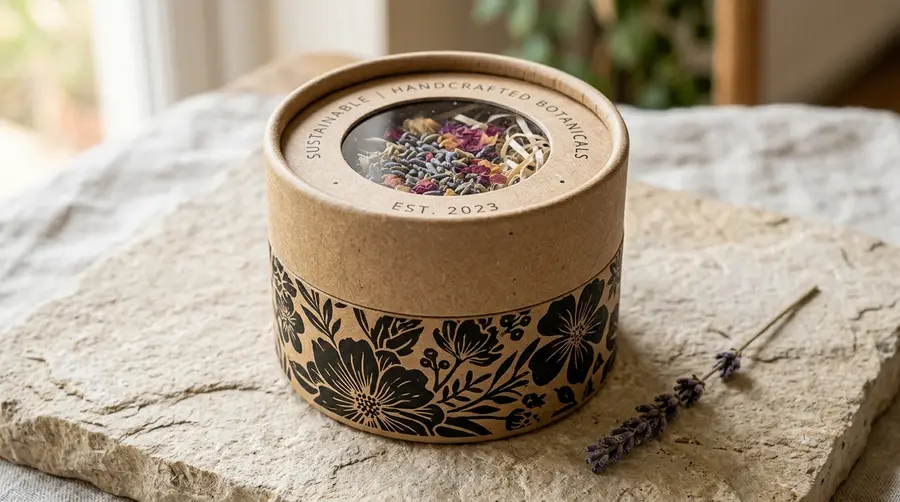
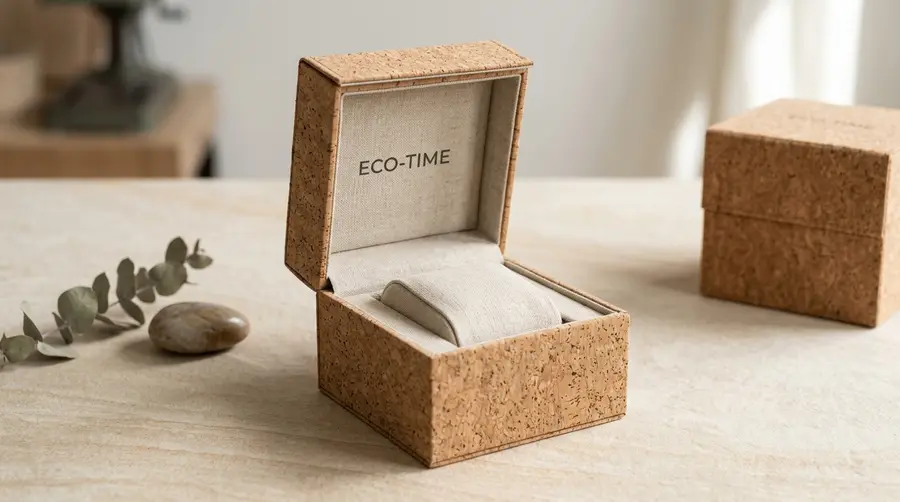
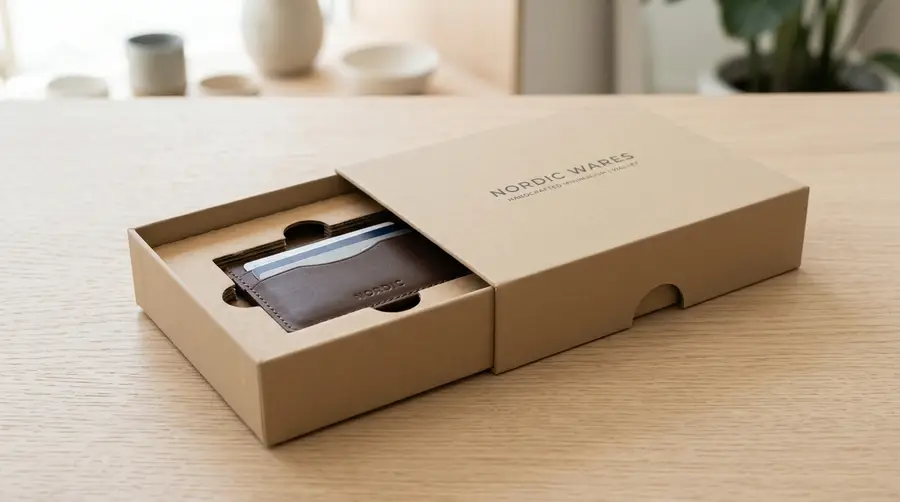
Every one printed to your exact size, from 50 boxes, with a free dieline.
Price this packaging
Send your dimensions and a quantity and a specialist replies within 24 hours with a fixed price and a free 3D mockup. Nothing is charged until you approve it.
- Free dieline and 3D mockup before you pay
- No die charges, no plate charges
- Orders from 50 boxes, free US & Canada shipping
- Artwork in AI, PDF, EPS or TIFF
Keep reading
A Comprehensive Guide to Custom Packaging Products for Every Industry
Packaging is more than just a protective layer; it’s a marketing tool that creates lasting impressions, communicates brand values, and enhances customer
4 min readRead →
Aesthetic Packaging Solutions in TX | Guide
Aesthetic packaging solutions in TX are transforming how businesses present their products and connect with consumers. By combining creativity,
3 min readRead →
Best Mylar Bag Designs That Increase Sales in 2026
Discover designer mylar bags that boost sales. Learn trends, custom packaging tips, and how smell proof, branded mylar bags grow your business.
5 min readRead →